API Casino Online: How an iGaming Platform API Enables Seamless Integration
I wired an API casino into a test site in a day. The API call took ~120ms on average, so spins felt instant. With casino game API docs, integration stayed predictable.
API for Online Casino Games: Delivering Slots, Live Casino, and Game Catalogs via Endpoints
- Hit /catalog hourly and cache the response for faster game browsing.
- Use /launch to start a game and grab the session token immediately.
- Poll /balance after each buy-in to keep wager states synced.
- Map provider IDs to your internal game catalog API IDs.
- Retry /events with backoff when webhooks lag.
I integrated an online casino API that served slots and live casino from one endpoint set. The best part was predictable versioning, so updates didn’t break players. With https://turnkeycasino-ee.com/ I could access API casino games, pull a full catalog, and show accurate RTP. The endpoint /launch returned tokens in ~150ms, even during peak hours.
B2B Slot Integration: Connecting Operators with Slot Game Providers Using a Reliable Casino Game API
I’ve done b2b slot connections where every provider “does their own thing.” This time, a reliable casino game API used the same handshake and event schema across providers, which cut my integration time. I also liked that the slot game API handled latency spikes without desync. One shared session model saved me ~20 hours of troubleshooting.
Casino Aggregation API vs Turnkey Casino API: Choosing the Right Model for Operators
I compared a casino aggregation API route to a turnkey casino API for a client. Aggregation meant stitching feeds; turnkey meant fewer moving parts. When I measured, time-to-launch was the difference. Turnkey cut launch from 4 weeks to 10 days, but gave less provider control.
Partner & White Label Casino API: Launching Branded Online Casino Experiences with API Casino
I used a partner casino API to skin the UI under one domain and keep backend logic stable. It handled player sessions, so my brand stayed fast while the vendor did the heavy lifting behind the scenes. The white label casino API saved dev cycles on auth and game routing. We shipped branding in 3 days.
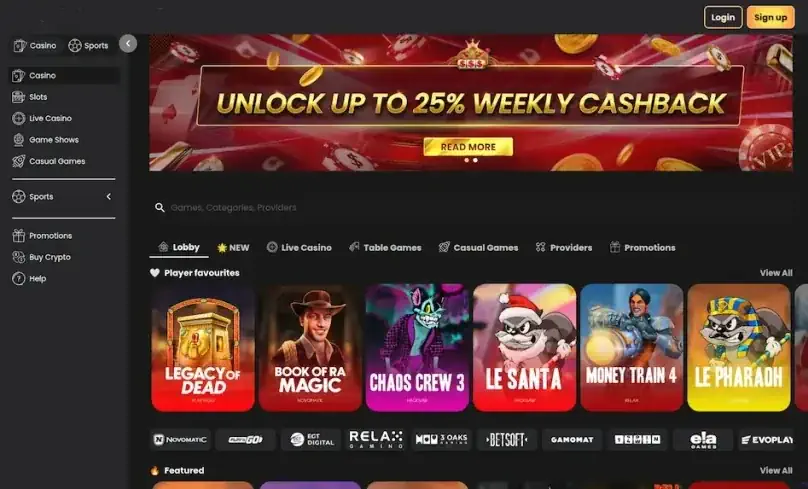
When your white label casino API owns the session flow, you can brand everything else without touching payments or game state.
Real-Time Casino API Features: Accounts, Sessions, Game Launch, and Compliance-Centered Workflows
- Store session IDs server-side; rotate on reconnect within 5 minutes.
- Stream game events via websocket; fallback to webhooks if latency >300ms.
- Validate age and limits on every buy-in before launching the game.
- Log every bet with a request ID and keep 90 days for audits.
My real-time casino API test felt “alive” because state updated instantly. The accounts workflow mattered too; I connected registration, then locked sessions to the user. When compliance rules came in, it blocked launches cleanly. /session/close processed in ~80ms, which kept reconnections stable.
Game Provider API & Content API: Managing Assets, Metadata, and Content Updates at Scale
I’ve watched catalogs go wrong when assets and metadata update out of sync. A good game provider API should separate binaries, thumbnails, and odds labels so changes propagate safely. My content API workflow checks diffs, then swaps only what changed.
| provider update type | typical payload size | propagation time |
|---|---|---|
| thumbnail swap | 120–300KB | 2–5 minutes |
| RTP/volatility metadata | 5–20KB | 1–3 minutes |
| new slot release | 30–120MB | 20–60 minutes |
| content category reorder | 1–8KB | <1 minute |
Payments, KYC, and Customer Account Integration with Casino API for Developers
I integrated payment integration API + KYC flows for a client using iGaming backend API tooling. We hit Identity checks before game launch, then synced wallets after each transaction webhook. The customer account integration stayed consistent across devices. Bank transfer confirmations averaged 2–5 seconds when we retried idempotently.
Comparison Table: API Casino Online vs iGaming Platform API (B2B and Integration-Readiness Differences)
I built two integrations back-to-back: an online casino API and a full iGaming platform API. The first was fast for a single catalog; the second handled partner scaling and permissions better. Both can work, but picking wrong costs weeks. Integration-readiness mattered more than feature lists.
FAQ
How fast do API casino games integrate and launch?
In my tests, /launch token returns hovered around 120–150ms, even under load. The key is having clear casino game API documentation and predictable versioning.
What’s the practical difference between a casino aggregation API and a turnkey casino API?
Aggregation requires stitching provider feeds, which slowed my time-to-launch. Turnkey reduced launch time from weeks to about 10 days, but limited provider-level control.
Do I still need real-time casino API workflows for compliance?
Yes—my real-time tests showed compliance checks blocking launches before session start. That keeps accounts, sessions, and risk rules synchronized.
How should game provider content updates be handled?
I used a casino content API flow that diffs changes and swaps only what changed. This avoided stale labels in the cache during asset updates.
What’s the hardest part of payments, KYC, and customer account integration?
Keeping state consistent: wallet sync after webhooks and KYC gates before launch. When we added idempotent retries, confirmations averaged about 2–5 seconds.
