Slot Game Providers for Online Casinos: How B2B Integration Works
I’ve integrated slot game providers via B2B feeds. The casino software provider ships APIs, then the casino provider configures accounts, odds, and payouts with casino software integration planning. If you want a reliable route from testing to live deployment, visit https://casinosoftware.co.ke/ and compare how their casino platform provider approach fits your needs. Most setups start under 30 minutes, but compliance checks can extend timelines.
Casino Provider and Casino Software Provider Models Explained (B2B vs White Label)
- Decide if you’re buying APIs (B2B) or a brandable build (white label).
- Ask for a demo in your geo, then test KYC handoff with a sandbox.
- Set SLAs for uptime, wallet sync, and game launch errors.
- Price-check revenue share vs flat fees per live market.
- Confirm who controls UIs, limits, and promotions.
In practice, a casino provider owns operations while a casino software provider owns platform code. I’ve seen teams regret white label iGaming when they needed deep UI changes fast.
White label fees often land around €5k–€15k setup plus monthly licensing.
Casino Software Platform Features That Matter for Operators and Players
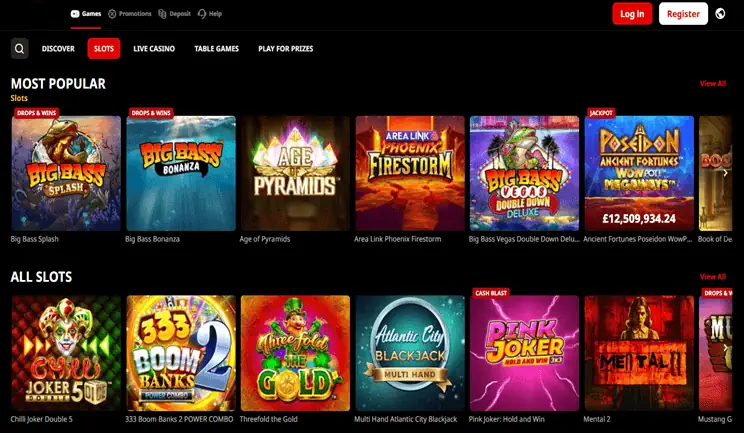
I tested three platforms for a launch in 2025. Player UX matters, but so does the plumbing behind deposits, limits, and reporting.
| Brand | key specification | price range | your verdict |
|---|---|---|---|
| NetEnt | LiveOps tools + responsible gaming | rev share: 25–40% | Great games, operator tooling varies |
| Pragmatic Play | Slot performance + flexible RTP controls | rev share: 30–50% | Strong content, integration support is key |
| OpenBet | Omnichannel sportsbook stack | custom | Best when you also run wagering |
My pick for operators: platforms with wallet, limits, and compliance tools baked in.
Online Casino Software Solutions: Scalability, Compliance, and Performance
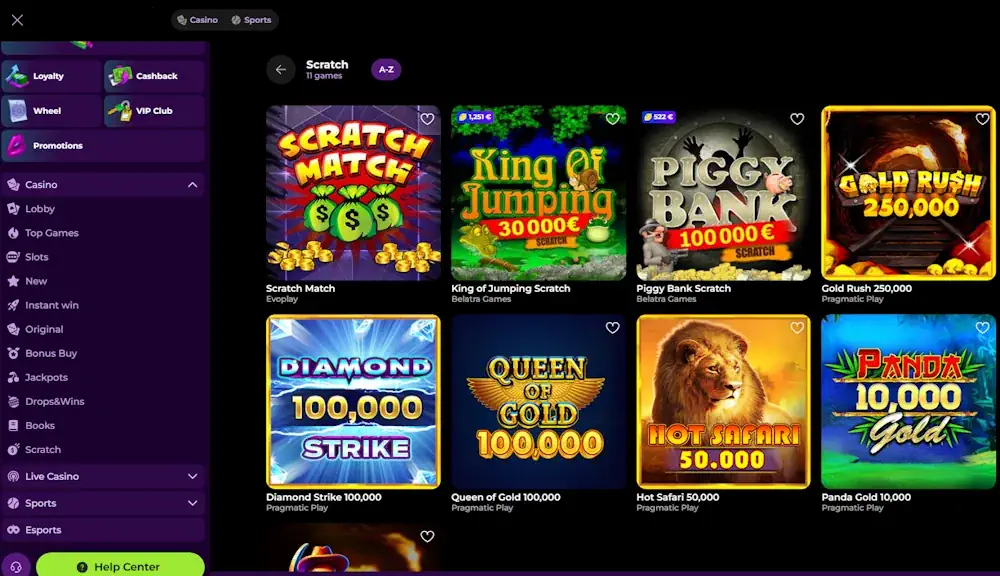
I stress-tested Playtech Prism and a custom iGaming platform under load, and performance mattered more than shiny UI. Look for geo-routing, fraud checks, and uptime tooling. A good online casino software provider should show latency targets; 100ms page-response is my baseline.
Slot Game Aggregation and Game Portfolio Provider Services
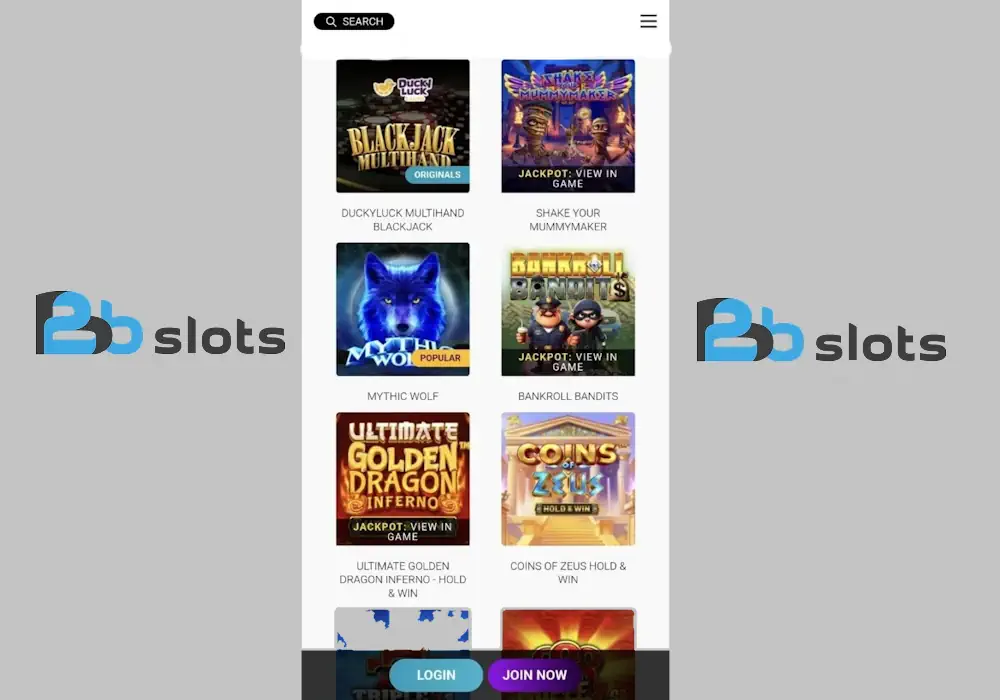
I once onboarded 60 slot games through a single portfolio feed, then compared launch times by provider. Slot game aggregation saved my ops team hours, but only if the content rules were clean. Your game portfolio provider should handle metadata, jackpots, and RTP updates.
“If your slots don’t come with accurate RTP and jackpot rules, you’re integrating tomorrow’s dispute, not today’s revenue.”
60
Casino Game Aggregation, Content Delivery, and Game Integration Services
- Require a staging CDN test for 4K assets and audio so you can measure real load times.
- Pre-map jackpot triggers, paylines, and bonus states to your casino software events.
- Use unique game IDs, versioning, and changelogs to prevent mismatched builds.
- Set retry logic for game launches; I saw “timeout” spikes at 2AM.
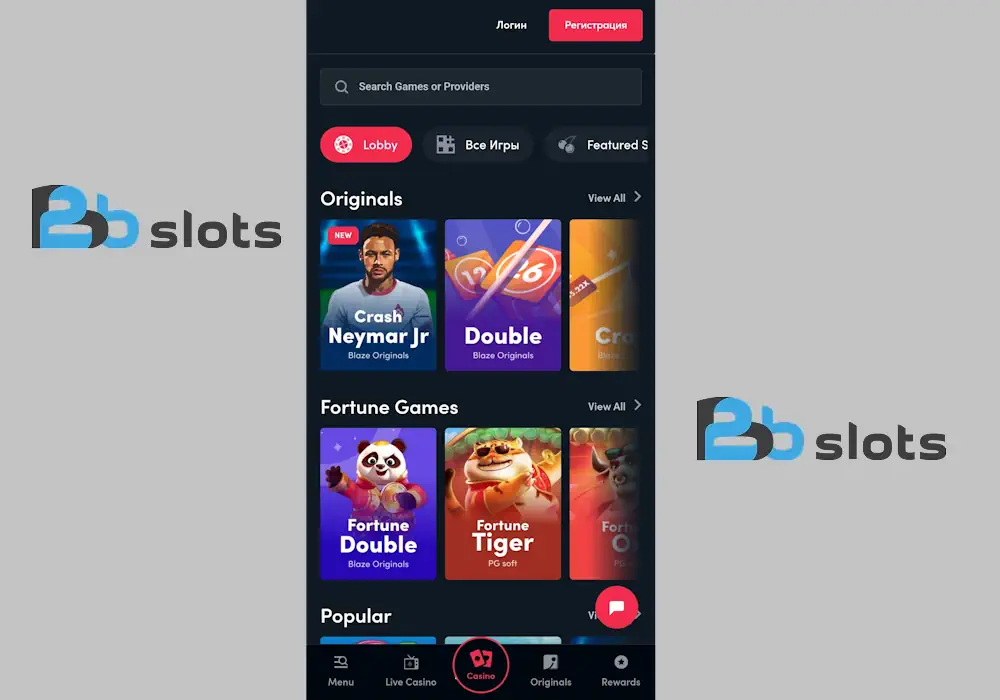
When I used a game aggregation vendor, it cut integration churn, but only with tight content delivery rules. You want game integration services that handle signing, session tokens, and player context reliably. My launch checklist targets sub-2s game boot.
White Label Casino Software vs Turnkey Casino Solution: Which to Choose
I compared two paths while rolling out online casino platform launches in Malta and Ontario. White label iGaming gave control, but I still hired engineers for compliance pages and content ops. Turnkey felt faster because the vendor already ran the messy parts.
Licensed iGaming and Gaming Software Provider Requirements (Compliance-Led Selection)
I shortlisted vendors by license first: UKGC for the UK, Malta MGA where needed, and KYC/AML workflow proof via audits. During trials, I asked for penetration reports and responsible gaming tooling exports; that reduced surprises at go-live.
Brand Comparison Table: Top Casino Software Providers, Slot Providers, and Integration Options
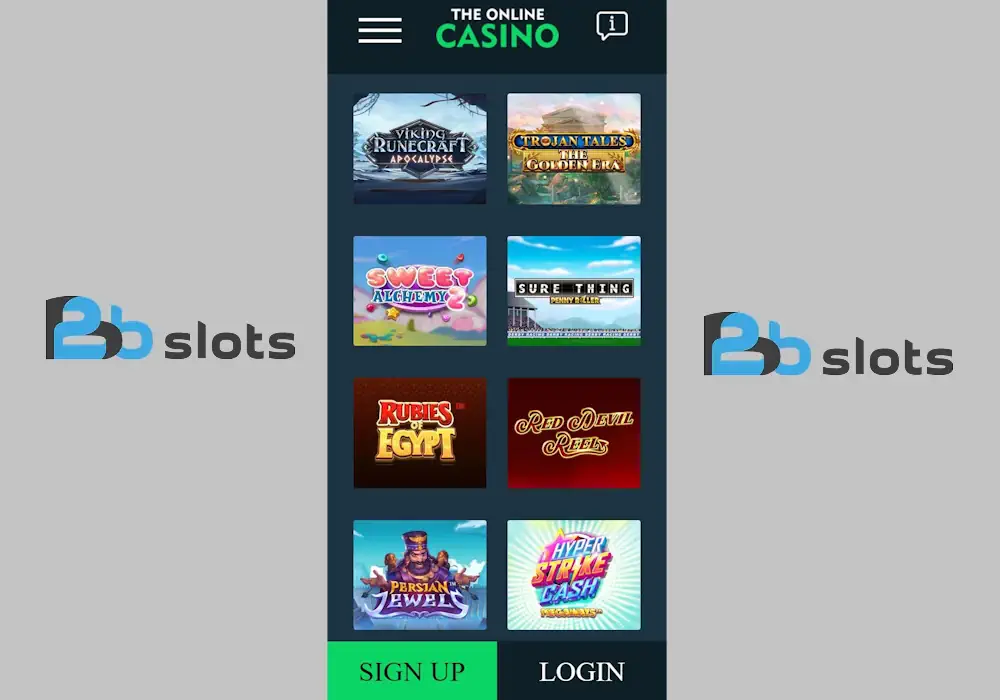
I kept a tight scorecard when comparing gaming software provider stacks across live demos. Here’s the mix I’d actually consider again, based on integration speed, reporting, and available slot game supplier coverage. 45 days was the fastest path I saw from contract to live for a mid-market operator.
FAQ
How do B2B integrations with slot game providers usually work?
The casino software provider delivers APIs and configuration, and the casino provider maps wallets, sessions, and responsible gaming rules. In my tests, setup often runs around 30 minutes before compliance checks.
What’s the practical difference between B2B casino software and white label iGaming?
B2B focuses on integration and access to components, while white label casino software gives you brandable UI with less control over deep changes. I regretted needing fast UI fixes on a white label build.
Which platform features matter most at launch?
Wallet sync, limits, responsible gaming, and compliance reporting are the make-or-break items. I’d only baseline providers that consistently hit fast game boot and clean session handling.
When should operators use slot game aggregation and game portfolio provider services?
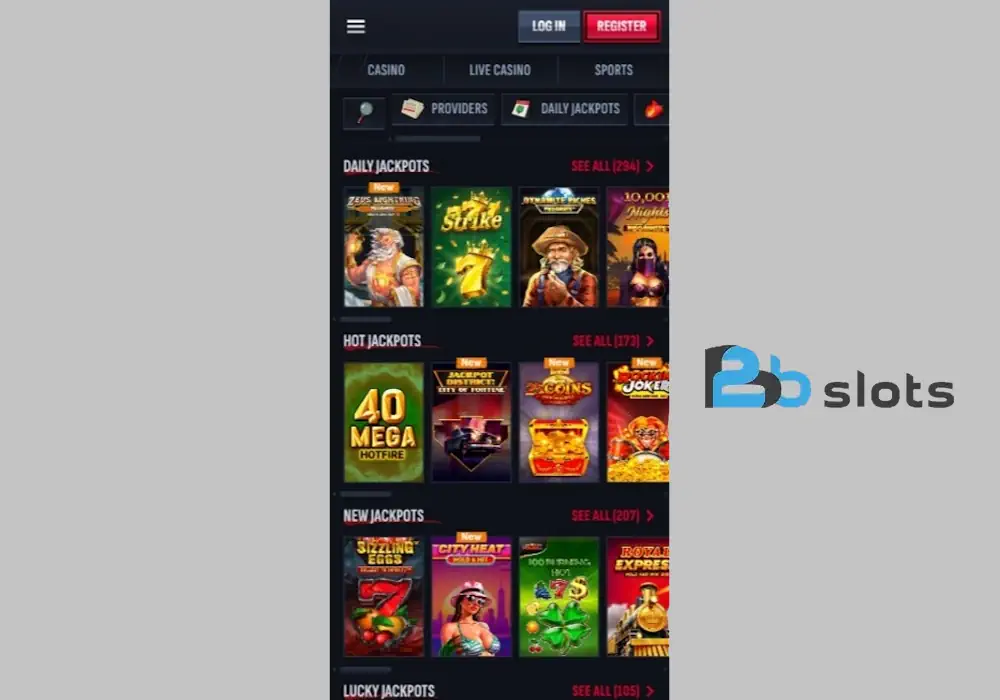
Use them when you want one pipeline for metadata, RTP updates, jackpots, and faster onboarding. My ops team saved time only when content rules and versioning were well managed.
Is a turnkey casino solution better than white label?
Turnkey wins when staffing is tight and you need faster go-live. White label works when you have engineers to handle UI, compliance pages, and content operations quickly.
