B2B Slot and B2B Casino: Core iGaming Platform Capabilities
I’ve tested b2b slot provider setups and b2b casino platform demos thoroughly, and I can say the real difference is low-latency https://casinoplatform-es.com/ iGaming API integration, plus fast slot game integration and casino game integration workflows that keep releases on schedule.
Why Operators Choose a B2B Casino Platform (Not Consumer Software)
I wouldn’t run live ops on consumer casino software; I tried, and the limits showed fast. B2B platforms cut manual work by automating reporting and sportsbook-style controls.
- Use role-based access for finance, QA, and live ops.
- Enable KYC/AML hooks before cashout.
- Set per-market tax/VAT rules by country.
- Turn on audit logs for every config change.
- Schedule promo rules with rollback support.
When I onboarded a launch, these controls meant fewer late-night calls. Operators also want platform-level monitoring, not just a front-end.
Turnkey B2B iGaming Solutions for iGaming API Integration and Game Management
In trials, turnkey iGaming solutions mattered most when APIs broke under load. Good iGaming API integration targets sub-100ms game requests.
White Label Casino Platform and White Label iGaming Solutions for Brands and Affiliates
When I built a white label iGaming platform for an affiliate network, time-to-launch beat any custom build. White label saves 6–12 weeks versus hand-coding a casino front-end.
You still need solid slot game integration and casino game integration, not just branding tools. I’d verify game onboarding, payments, and fraud screens before signing.
Scalable Online Casino Technology: Slot Game Integration and Casino Game Integration
I pushed load tests on a b2b casino platform, and scalability showed up in the boring details: queues, retries, and caching. Scalable iGaming platform design keeps gameplay stable at 5,000 sessions/hour.
“If your slot and casino game integration can’t survive traffic spikes, your best marketing budget becomes a system stress test.”
Choose tech that supports both slot content licensing and casino content licensing. I prefer providers that expose clear iGaming API integration logs per game.

B2B Game Aggregator Model: Game Studio Partnerships and Content Licensing
I’ve worked with b2b game aggregators where studio relationships decide your catalog more than marketing. Good casino content licensing tracks per-title rights by country.
- Request license proofs per game ID and region.
- Negotiate slot content licensing for promos and free spins.
- Test sync: price, RTP, paylines, and jackpots update daily.
- Verify studio access via signed entitlement tokens.
- Audit content delivery latency across EU and LATAM.
When content licensing is messy, launch days get ugly fast.
Operator-Focused iGaming Solutions: Revenue, Compliance, and Platform Workflow
Operator-focused iGaming solutions made my churn math cleaner because tooling matched how finance and risk teams work. Real-time casino revenue reporting beats end-of-month spreadsheets by hours.
| Area | Metric | Target | Why it matters |
|---|---|---|---|
| Revenue | payout cycle | <5 min | reduces reconciliation |
| Compliance | KYC decision time | <10 min | fewer stalled cashouts |
| Risk | fraud flag rate | <2% | cuts false positives |
| Ops | release rollback | <15 min | saves live events |
B2B Slot Provider vs B2B Casino Provider vs Full Turnkey iGaming Platform (Comparison Table)
In deployments, the choice comes down to who runs ops and how fast you can go live. Turnkey iGaming platform projects often ship in 6–10 weeks.
I’d compare ownership: slot-focused b2b slot provider, broader b2b casino provider, or full turnkey where casino software for operators includes payments, risk, and workflows.
How to Select an iGaming Technology Provider for Enterprise-Grade Performance
I shortlist iGaming technology provider options by stress tests, uptime history, and how they handle broken APIs in production. Ask for SLA-backed uptime of at least 99.9%.
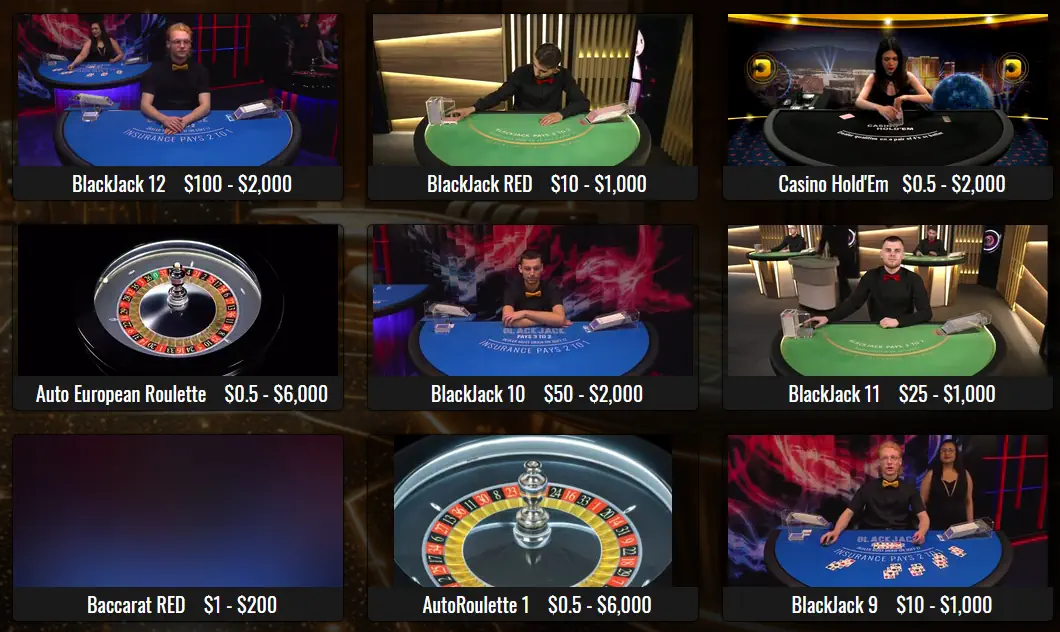
Then I check iGaming solutions for operators fit your markets: latency targets, audit logs, and clear iGaming API integration rollback steps across slot game integration and casino game integration.
FAQ
Which choice fits operators best: b2b slot, b2b casino, or turnkey?
If you already run most ops, start with a b2b slot or b2b casino provider. If you need end-to-end workflows and faster launches, turnkey iGaming platform is usually the cleaner path.
Why avoid consumer casino software for live deployments?
Consumer tools lack operator-grade controls like audit logs, market rules, and workflow rollback. In my tests, you feel those gaps right during launch and reconciliation.
What should iGaming API integration include?
You need stable request handling plus clear monitoring and rollback paths. I look for logs that show failures per slot game and casino game integration.
How do white label setups affect speed to market?
White label can cut weeks of build time, mainly because the platform workflow already exists. My experience matches that the real work becomes onboarding games and payments.
What matters most when using a b2b game aggregator?
Verify casino content licensing and slot content licensing per title and region. I’ve seen launches stall when studio entitlements weren’t clear for specific countries.
How do you judge enterprise-grade performance?
I shortlist by load testing, audit trails, and SLA-backed uptime. Then I simulate traffic spikes to confirm stable slot game integration and casino game integration.
